
Dietary fiber refers to carbohydrates that the digestive system cannot break down and use as an energy source. Nevertheless, fiber supports health in many ways from promoting gut function to helping prevent chronic diseases. Most Finns consume too little fiber, but with small dietary changes, intake can be increased easily.
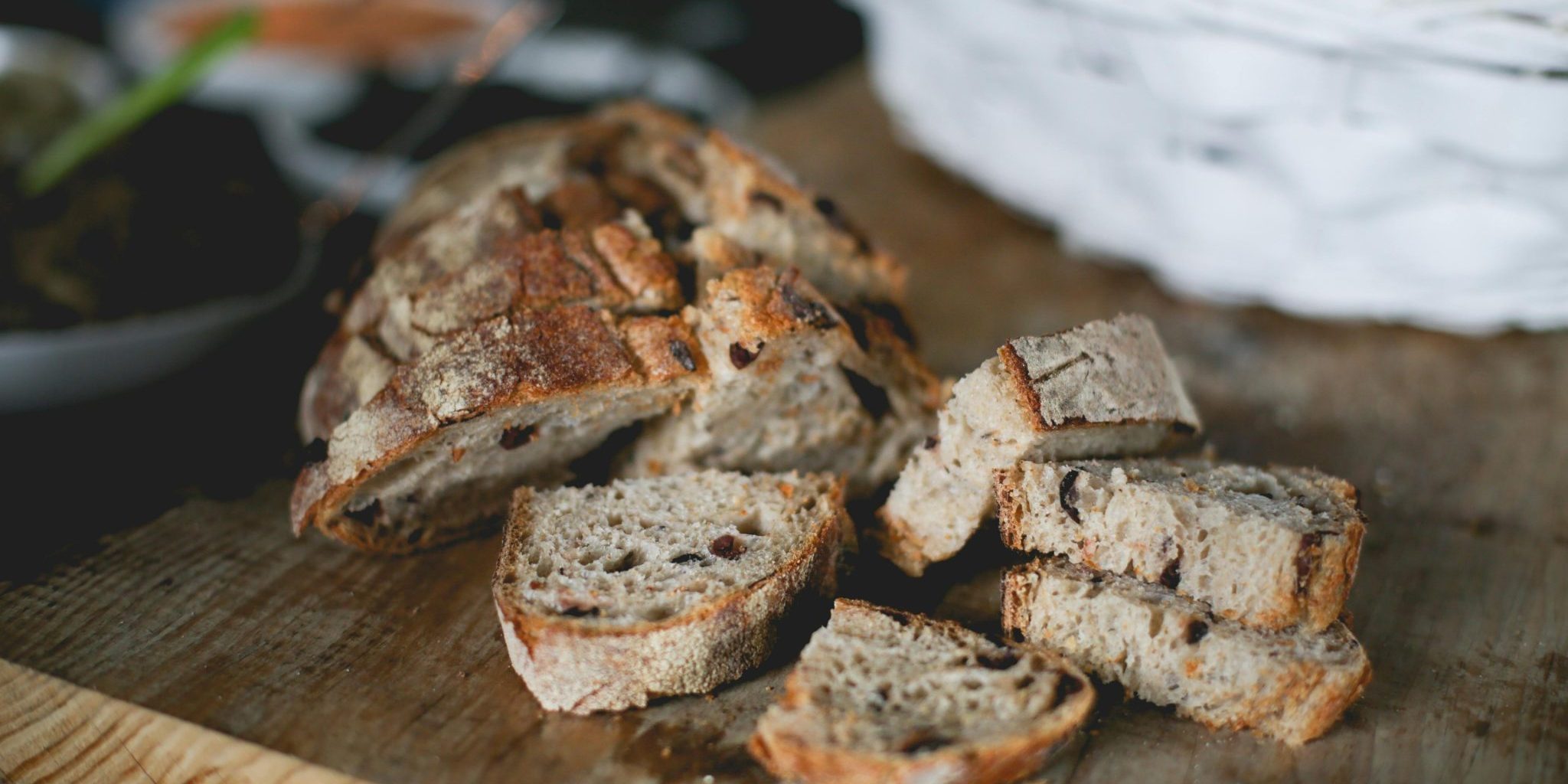
Inadequate fiber intake is one of the key nutritional challenges among Finns. According to the FinDiet 2017 study, about two-thirds of Finns consume less fiber than recommended. The daily recommendation is 25–35 grams, but the average intake is only 20 grams for women and 22 grams for men. About half of daily fiber intake comes from cereal-based foods such as bread, porridge, and pasta. However, almost all Finns (98% of women and 89% of men) consume less whole-grain products than the recommended amount (90 g dry weight per day). Other significant sources include vegetables, especially potatoes, as well as fruits and berries. Legumes, nuts, and seeds are also good sources of fiber, but they account for only about 8% of Finns’ daily intake.
At Satakunta University of Applied Sciences, two nutrition-related projects are aiming to influence eating habits and thereby overall well-being through dietary modifications. The Mind Nutrition project explores whether an unhealthy diet can affect symptoms of depression and work ability, while the RAVI project investigates whether changes in eating habits can promote employee well-being. In both projects, insufficient fiber intake has often come up during counseling sessions, and solutions have been found together with nutrition professionals.
The health benefits of fiber extend widely
Fiber can be categorized as soluble or insoluble. Soluble fibers, such as pectin from fruits and beta-glucan from oats, form a gel-like structure when combined with water. This slows gastric emptying and reduces the absorption of nutrients such as fats and dietary cholesterol, and in addition lowers post-meal glucose and insulin responses. A more moderate rise in blood sugar helps explain why a high intake of soluble fiber, especially from whole grains, is linked to a lower risk of type 2 diabetes (study 1). Similarly, higher fiber intake is associated with a reduced risk of cardiovascular disease. Soluble fiber lowers total and LDL cholesterol by binding bile acids in the intestine and increasing their excretion (study 2).
Insoluble fibers include cellulose, hemicellulose, and lignin, which are mainly found in cereals and grain products. Insoluble fiber adds bulk to stool and promotes bowel function. With greater stool volume, the concentration of harmful compounds such as carcinogens is lower. High fiber intake, particularly from cereals, is one of the most important factors in reducing the risk of colorectal cancer (study 3). Adequate fiber intake may also lower the risk of breast and ovarian cancer by influencing hormone levels, such as estrogens, and their excretion (study 1). Looking at overall mortality, an additional 10 grams of daily fiber has been shown to reduce all-cause mortality by 11%. Cereal fiber showed the strongest association with lower mortality (study 4).
Fiber feeds the gut microbiota
Many of fiber’s benefits are mediated by the gut microbiota. Through fermentation, gut bacteria produce short-chain fatty acids, such as propionate. These fatty acids not only serve as an energy source for intestinal cells but also enter the bloodstream, where they positively affect lipid, glucose and cholesterol metabolism. The gut microbiota has also been suggested to play a role in the development of low-grade inflammation. Total fiber intake has been linked to a 10% lower risk of depression in adults and a 57% lower risk in adolescents, possibly mediated by lower inflammation (study 5). However, mental health is influenced by many factors, and causal mechanisms are not yet well understood, so more research is needed.
Adding fiber is easy!
Since cereal products are among the most important fiber sources, one simple way to increase intake is to choose high-fiber options (at least 6 g/100 g). By looking for the Heart Symbol label, you can easily identify breads, flakes, cereals, mueslis, and pastas that are higher in fiber. At main meals, try replacing white rice or pasta with barley or oats, whole-grain pasta or with high-fiber grains like quinoa or bulgur. Legumes, such as peas, lentils, or beans, are excellent as a meat substitute or complement. They can be blended into soups and sauces, roasted in the oven to top salads, or made into dips and spreads for bread.
Using a wide variety of vegetables, fruits, and berries can also significantly boost fiber intake, even though they are not as fiber-dense as cereals. Nutrition recommendations suggest eating at least 500–800 grams of plant foods daily, ideally at every meal. Since vegetables are not always consumed in large amounts on their own, adding them into main dishes, such as soups, pastas, casseroles, stews, or fillings for baked potatoes and tortillas, can help reach the target. In cooking, vegetables can also be used as purées, grated, or frozen. Adding vegetables to meals provides a good alternative to the traditional green salad. On their own berries, fruits and vegetables work perfectly as snacks.
High-fiber wheat, oat, and rye bran are easy to add to breakfast or snacks: they work well in porridge, yogurt, muesli, or smoothies. Similarly, nuts and seeds can be added to breakfast and snacks, used at main meals sprinkled over salads and soups or incorporated into sauces. Even desserts such as banana bread or apple–oat crumble can be enriched with nuts. Fiber should be increased gradually, along with sufficient hydration, to allow the gut to adapt.
Simple ways to boost your fiber intake:
- Breakfast: flaxseeds, rye bran, and berries on top of porridge
- Lunch: vegetable soup with roasted chickpeas and rye croutons, oat bread with cucumber on top
- Snack: rye bread with hummus and tomato, an apple
- Dinner: wholegrain spaghetti with bolognese sauce made partly with soy protein, peppers, onions, and carrots added in the sauce
- Evening snack: yogurt with wheat germ, nuts, and nectarine slices
References
Study 1: .Barber, T. M., Kabisch, S., Pfeiffer, A. F. H., & Weickert, M. O. (2020). The Health Benefits of Dietary Fibre. Nutrients, 12(10), 3209. https://doi.org/10.3390/nu12103209
Study 2: He, Y., Wang, B., Wen, L., Wang, F., Yu, H., Chen, D., & et al. (2022). Effects of dietary fiber on human health. Food Science and Human Wellness, 11(1), 1–10. https://doi.org/10.1016/j.fshw.2021.07.001
Study 3: Oh, H., Kim, H., Lee, D. H., Myung, S. K., & Park, Y. (2019). Different dietary fibre sources and risks of colorectal cancer and adenoma: A dose–response meta-analysis of prospective studies. British Journal of Nutrition, 122(6), 605–615. https://doi.org/10.1017/S0007114519001454
Study 4: Kim, Y., & Je, Y. (2014). Dietary fiber intake and total mortality: a meta-analysis of prospective cohort studies. American journal of epidemiology, 180(6), 565–573. https://doi.org/10.1093/aje/kwu174
Study 5: Saghafian, F., Hajishafiee, M., Rouhani, P., & Saneei, P. (2023). Dietary fiber intake, depression, and anxiety: a systematic review and meta-analysis of epidemiologic studies. Nutritional neuroscience, 26(2), 108–126. https://doi.org/10.1080/1028415X.2021.2020403

The RAVI project is co-funded by the European Union. The Mind Nutrition project is funded by SAMK.